


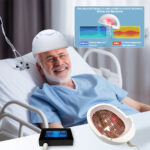


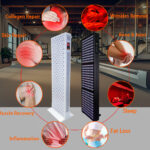


Red light and near-infrared light are often used together in beauty and wellness devices, but they are not the same.
The main difference is simple: red light is visible, while near-infrared light is invisible. Red light is commonly used for more surface-level skin concerns, while near-infrared light is generally associated with deeper support beneath the skin. Research reviews commonly place red light around 630–670 nm and near-infrared around 780–940 nm.
What Is Red Light?
Red light can be seen by the human eye. In skincare devices, it is commonly used to help improve the appearance of fine lines, dullness, and uneven-looking skin. It is also widely associated with collagen-supporting beauty routines.
What Is Near-Infrared Light?
Near-infrared light, or NIR, cannot be seen. Even when the device is working, the LEDs may appear dim or invisible. It is often used in devices designed to provide deeper-level support and is commonly included in more advanced anti-aging and recovery-focused products.

Why Are They Used Together?
Many devices combine red light and near-infrared light to create a more complete treatment approach.
- Red light supports visible skin-level concerns
- Near-infrared light supports deeper treatment goals
This combination is common in LED masks, panels, and other at-home beauty devices.
Which One Is Better?
Neither is simply better. It depends on the purpose of the device.
If the goal is everyday skincare and visible anti-aging care, red light is a popular choice. If the goal is deeper support, near-infrared light is often added as a complement. That is why many premium devices use both.
Final Thoughts
Red light and near-infrared light are different, but they work well together.
Red light is visible and commonly used for skin appearance benefits.
Near-infrared light is invisible and commonly used for deeper support.
For many beauty and wellness devices, combining both offers a more versatile solution.