
From clinically proven red light therapy to next-generation 1072nm near-infrared technology, learn what makes a high-performance LED face mask and why ergonomic design, comfort, and wavelength selection matter more than ever.
In today’s at-home beauty device market, LED beauty masks have become one of the most researched and widely discussed skincare technologies. However, with countless brands, wavelengths, and specifications available, many consumers are left wondering:
Do LED masks really work? Which device is right for me?
This comprehensive guide explores the science behind LED light therapy, expert insights from dermatologists, and the key factors to consider when choosing an LED mask in 2026.
The Science Behind LED Therapy: What Is Photobiomodulation (PBM)?
LED facial masks do not work through heat. Instead, they utilize a scientifically validated process known as Photobiomodulation (PBM).
When specific wavelengths of light penetrate the skin, they are absorbed by the mitochondria—the “powerhouses” of our cells. These photons are converted into cellular energy (ATP), triggering a series of beneficial biological responses:
Increased Collagen Production
PBM stimulates fibroblasts, encouraging the production of collagen and elastin, helping reduce fine lines and improve skin firmness.
Enhanced Circulation
Improved blood flow delivers more oxygen and nutrients to skin tissues, supporting faster repair and rejuvenation.
Reduced Inflammation
Certain wavelengths can calm redness, reduce inflammation, and even help combat acne-causing bacteria.
The result is healthier, stronger, and more youthful-looking skin without invasive procedures or downtime.
Understanding Wavelengths: Why Color Matters
When evaluating an LED mask, wavelength selection is one of the most important factors.
Red Light (630–660nm)
Often regarded as the gold standard for anti-aging treatments.
Benefits include:
- Stimulating collagen synthesis
- Improving skin elasticity
- Reducing wrinkles
- Enhancing overall skin tone
Near-Infrared Light (830–850nm)
Near-infrared (NIR) light penetrates deeper than visible red light.
Benefits include:
- Supporting tissue recovery
- Reducing deep inflammation
- Promoting skin healing
- Maintaining facial volume and skin structure
Blue Light (415–465nm)
Blue light targets acne-causing bacteria through a photochemical reaction with porphyrins present in the skin.
Ideal for:
- Inflammatory acne
- Oily skin
- Breakout prevention
Advanced Deep Near-Infrared Light (1072nm)
One of the most exciting developments in modern light therapy is the emergence of 1072nm wavelength technology.
Compared with traditional 850nm NIR:
- Longer wavelength penetration reaches deeper tissue layers
- Lower photon energy results in weaker photochemical effects
- Stronger thermal stimulation promotes cellular activity through gentle warming
This mechanism focuses on thermal biostimulation, making 1072nm a promising option for advanced skin rejuvenation and recovery applications.
Our newest customizable LED mask platform now supports 1072nm wavelength integration, providing brands and distributors with access to next-generation light therapy technology for premium product lines.
How to Choose an LED Mask: Professional Buying Guide
Don’t be distracted by flashy marketing or high prices. Focus on these critical performance indicators.
1. Irradiance and Energy Dose
Recommended irradiance levels typically fall between:
30–50 mW/cm²
More power is not always better.
Excessively high irradiance may:
- Generate excessive reactive oxygen species (ROS)
- Increase skin sensitivity
- Potentially worsen melasma in susceptible individuals
Balanced energy delivery is essential for safe, effective treatment.
2. LED Quantity and Light Distribution
Uniform light coverage is more important than simply having more LEDs.
A high-quality mask should provide:
- Even light distribution across the entire face
- Consistent energy delivery
- Specialized treatment zones for the forehead, eye area, cheeks, and jawline
Well-designed optical structures can also minimize light loss and improve treatment efficiency.
3. Ergonomic Design and Wearing Comfort
Many traditional LED masks suffer from common user complaints:
- Heavy weight
- Eye pressure
- Light leakage
- Difficult storage
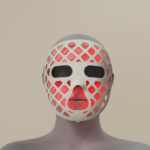
To address these issues, SWIDA latest hollow-frame LED mask has been engineered with user comfort as a top priority.
Key Features
✔ Ultra-lightweight design — only 93g
✔ Integrated eye-area structure — no detachable eye shields required
✔ No pressure on the eyes during treatment
✔ Comfortable long-term wear
✔ Excellent facial fit with minimal light leakage
✔ IP67 waterproof rating
✔ Modular design allowing the mask, controller, and charging cable to be separated for convenient storage and travel
For consumers seeking daily usability and comfort, ergonomic design can be just as important as wavelength selection.
4. Safety Certifications
Look for devices that offer:
FDA Clearance
FDA-cleared products have undergone review for safety and intended use.
Eye Protection
Because blue light may affect retinal health, proper eye protection should always be incorporated into the mask design.
How to Maximize Results
Start with Clean Skin
Before treatment:
- Thoroughly cleanse the face
- Remove makeup
- Avoid heavy creams or products containing photosensitizing ingredients
This allows light to penetrate more effectively.
Consistency Is Key
LED therapy is a long-term skincare strategy, not a quick fix.
Recommended usage:
- 3–5 sessions per week
- Approximately 10 minutes per session
Expected Timeline
Weeks 2–4
- Reduced redness and inflammation
- Brighter complexion
Weeks 8–12
- Visible wrinkle reduction
- Improved skin texture
- Peak collagen stimulation effects
Safety Considerations
LED therapy is non-invasive and generally considered safe. However, certain individuals should consult a healthcare professional before use.
Photosensitive Individuals
People with:
- Lupus
- Photosensitivity disorders
- Certain medications such as doxycycline, isotretinoin, or tretinoin
may experience increased sensitivity to light exposure.
Hyperpigmentation Concerns
Blue light may aggravate melasma in some individuals.
Users prone to pigmentation disorders should use blue light treatments cautiously.
Special Populations
Consult a physician before use if you are:
- Pregnant
- Breastfeeding
- Prone to seizures or epilepsy
Final Thoughts
The best LED mask is not necessarily the most expensive one.
A truly effective device combines:
- Clinically relevant wavelengths
- Appropriate energy density
- Reliable safety standards
- Thoughtful ergonomic engineering
As LED technology continues to evolve, innovations such as ultra-lightweight wearable designs and advanced 1072nm deep near-infrared wavelengths are pushing home-use light therapy closer than ever to professional treatment standards.
Whether your goal is anti-aging, acne management, skin recovery, or overall skin health, choosing a scientifically designed LED mask and maintaining consistent usage will provide the best long-term results.
Disclaimer: This article is intended for informational purposes only and should not replace professional medical advice, diagnosis, or treatment.