






Many people are exploring natural ways to manage fibroid symptoms. Here’s a detailed breakdown of red light therapy (RLT) for fibroids, including recommendations and crucial considerations.
1. Understanding the Theory: How Could RLT Help Fibroids?
It’s important to state upfront that there are no large-scale, definitive human studies proving red light therapy shrinks fibroids. However, we can extrapolate from its proven biological mechanisms to theorize how it might help manage the condition and its symptoms.
Red and Near-Infrared (NIR) light penetrates tissue and is absorbed by the mitochondria in our cells, boosting energy production (ATP). This leads to several effects that could be beneficial for fibroids:
Reducing Inflammation: Fibroids are often associated with chronic inflammation. RLT is well-documented for its powerful anti-inflammatory effects, which could help reduce pelvic inflammation and associated pain.
Improving Cellular Repair and Blood Flow: RLT enhances circulation and oxygenation. Better blood flow to the pelvic region could help improve tissue health and potentially aid the body in clearing out waste products and inflammatory markers.
Modulating Estrogen Metabolism: This is a more theoretical but crucial point. Some research suggests that RLT can influence cellular function and hormone balance. If it can help optimize how the liver and tissues metabolize estrogen, it could potentially reduce the estrogen dominance that fuels fibroid growth.
Pain Management: RLT is FDA-cleared for treating muscle aches and joint pain. It can be very effective for alleviating the lower back pain, abdominal cramping, and pelvic pressure associated with fibroids.
2. Recommendations if You Want to Try RLT
If you decide to explore RLT, here’s what to look for and how to proceed safely.
Device Type and Specifications
For a condition deep in the pelvis like fibroids, you need a device that offers good penetration.
Wavelength: Look for a combination of Red (630-660nm) and Near-Infrared (NIR) (800-880nm). The NIR light is crucial as it penetrates much deeper, potentially reaching the uterine tissue.
Power Density (Irradiance): This is measured in mW/cm². A higher power density means a more effective dose in a shorter amount of time. For home devices, look for a power density of at least 50-100 mW/cm² at the surface.
3. Device Form:
Large Panel: This is the most recommended option. A panel allows you to treat your entire lower abdomen and lower back simultaneously, ensuring good coverage of the pelvic area.
Small Pad/Portable Device: Can be effective but will require longer sessions to cover the same area. Good for targeting specific points of pain.
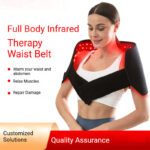
Wearable Belt: Some companies make belts designed for the waist/hip area. Ensure they emit the correct wavelengths and have sufficient power.