
Is Red Light Therapy for pelvic wellness? Safety & Evidence Guide
Is red light therapy for pelvic wellness? At this stage, red light therapy should not be presented as a proven treatment for uterine fibroids, and it should not replace medical diagnosis, medication, or procedures recommended by a qualified healthcare professional.
However, some people are interested in red and near-infrared light therapy as a non-invasive wellness approach for general pelvic comfort, relaxation, and lower-abdomen wellness routines. For wellness brands, distributors, spas, clinics, and women’s wellness product companies, it is important to understand both the potential wellness applications and the limitations of current evidence.
This guide explains what current research does and does not support, how to use compliant product language, and what B2B buyers should consider when sourcing red light therapy devices for women’s wellness applications.
What Are Uterine Fibroids?
Uterine fibroids are non-cancerous growths that develop in or around the uterus. They are common among women of reproductive age and may vary greatly in size, number, location, and symptoms.
Some women have fibroids without noticeable symptoms, while others may experience heavy menstrual bleeding, pelvic pressure, lower abdominal discomfort, frequent urination, or fertility-related concerns. Because symptoms and treatment needs can vary significantly, fibroids should always be evaluated by a qualified healthcare professional.
Common medical management options may include monitoring, medication, minimally invasive procedures, or surgery depending on the patient’s symptoms, fibroid size, location, and reproductive plans.
Is Red Light Therapy a Proven Treatment for Fibroids?
Red light therapy is not currently recognized as a proven medical treatment to shrink, remove, or cure uterine fibroids. There is no strong clinical evidence showing that red or near-infrared light therapy can directly reduce fibroid size or replace established medical care.
This distinction is important for both users and businesses. Red light therapy devices should not be promoted with claims such as “treats fibroids,” “shrinks fibroids,” “balances hormones,” or “cures pelvic disease” unless the product has the required medical approvals and clinical evidence in the target market.
A more appropriate and compliant positioning is to discuss red and near-infrared light therapy as part of a general wellness routine for relaxation, lower-abdomen comfort, and pelvic wellness support.
What Red and Near-Infrared Light Therapy May Support
Red light therapy, also known as photobiomodulation, uses specific wavelengths of red and near-infrared light to interact with cells. In general wellness applications, it is commonly discussed for supporting circulation, relaxation, muscle comfort, and recovery routines.
For women’s wellness and lower-abdomen applications, red and near-infrared light therapy may be positioned as a non-invasive wellness method for:
- General pelvic comfort support
- Lower-abdomen relaxation routines
- Muscle tension relief around the waist and abdomen
- Daily wellness and self-care programs
- Spa, wellness center, and home-use relaxation applications
These are wellness-focused applications, not disease-treatment claims. Any user with diagnosed fibroids, abnormal bleeding, persistent pelvic pain, anemia, pregnancy concerns, or fertility concerns should consult a healthcare professional before using any wellness device.
Why Medical Guidance Is Important
Fibroids can be associated with symptoms that require professional evaluation. Heavy bleeding, severe pelvic pain, rapid abdominal enlargement, dizziness, anemia, or fertility concerns should not be managed only with home wellness products.
Red light therapy may be used by some people as a complementary wellness routine, but it should not delay medical diagnosis or treatment. For product brands, distributors, and wellness businesses, clear user instructions and compliant marketing language are essential.
Recommended wording includes:
- “Supports pelvic wellness”
- “Helps with relaxation routines”
- “Designed for lower-abdomen comfort support”
- “Non-invasive red and near-infrared wellness device”
- “For general wellness use”
Avoid wording such as:
- “Treats uterine fibroids”
- “Shrinks fibroids”
- “Balances estrogen”
- “Cures pelvic pain”
- “Replaces medical treatment”
- “Approved for fibroid therapy”
Device Types Commonly Used for Pelvic Wellness
Different red light therapy devices can be used for lower-abdomen and pelvic wellness positioning. For B2B buyers, the best product type depends on the target market, retail price range, application scenario, and branding strategy.
Red Light Therapy Panels
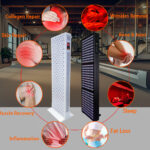
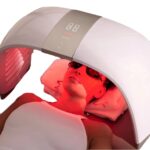
Red light therapy panels are suitable for larger-area light exposure and can be used for home wellness, spa rooms, recovery centers, and professional wellness studios. Panels are usually positioned for full-body or targeted body wellness applications.
For pelvic wellness content, panels can be introduced as a flexible option for lower-abdomen, waist, and general body comfort routines.
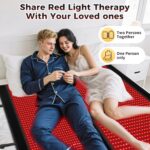
Red Light Therapy Mats
Red light therapy mats provide larger-area body coverage and are suitable for relaxation-focused wellness applications. They can be positioned for home wellness, spa relaxation, recovery rooms, and private-label wellness products.
Mats may be especially suitable for brands that want to develop products around relaxation, comfort, and daily self-care routines.
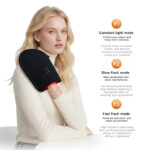
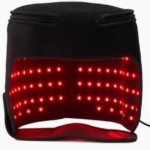
Red Light Therapy Belts and Wearables
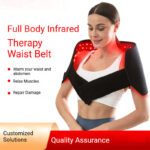
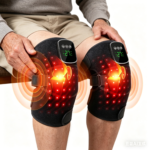
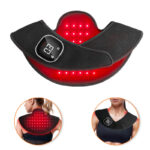
Red light therapy belts and wearable devices are more targeted and convenient for the waist, abdomen, back, and joint areas. They are easier to use in home settings and can be positioned as portable wellness devices for body comfort support.
For women’s wellness product lines, a red light therapy belt or wearable lower-abdomen device may be easier to market than a large panel, especially for retail and e-commerce channels.
Recommended Wavelengths for General Pelvic Wellness
For red light therapy products, wavelength selection is one of the most important specifications. Different wavelengths have different penetration characteristics and application positioning.
630nm–660nm Red Light
Red light in the 630nm–660nm range is commonly used in skincare, surface-level wellness, and general photobiomodulation devices. It is often selected for products focused on visible red light therapy and user-friendly home wellness applications.
810nm–850nm Near-Infrared Light
Near-infrared light in the 810nm–850nm range is commonly used in wellness and recovery devices because it can penetrate deeper than visible red light. For body wellness products, near-infrared light is often combined with red light to support broader application scenarios.
For lower-abdomen wellness positioning, many B2B buyers prefer a combination of 660nm red light and 850nm near-infrared light because it is widely recognized in the red light therapy device market.
How to Use Red Light Therapy Safely for Lower-Abdomen Wellness
For general lower-abdomen wellness routines, users should follow the product manual and avoid excessive use. Session time, treatment distance, intensity, and frequency should depend on the device design and supplier recommendations.
General safety suggestions include:
- Start with shorter sessions for new users
- Avoid using the device over broken or irritated skin
- Do not use heat-sensitive devices for too long in one area
- Stop use if discomfort, dizziness, skin irritation, or abnormal symptoms occur
- Consult a healthcare professional if pregnant, actively bleeding, diagnosed with gynecological disease, or using implanted medical devices
- Do not use red light therapy as a substitute for medical care
For B2B buyers, the user manual should clearly explain intended use, recommended session time, precautions, contraindications, and compliant wellness positioning.
What B2B Buyers Should Check Before Sourcing Women’s Wellness Devices
Women’s wellness is a sensitive product category. Brands, distributors, spas, clinics, and wellness centers should avoid disease-treatment claims unless the device has the required regulatory approvals and clinical evidence in the target market.
When sourcing red light therapy devices for women’s wellness or pelvic comfort applications, buyers should compare the following points:
| Buyer Checkpoint | Why It Matters |
|---|---|
| Wavelength configuration | Common options include 660nm red and 850nm near-infrared |
| Irradiance testing | Helps buyers compare actual light output and product performance |
| Treatment area | Lower-abdomen use requires suitable coverage |
| Device form | Panels, mats, and belts fit different user scenarios |
| Heat control | Important for comfort and safe use |
| Timer settings | Helps avoid excessive session time |
| Material and comfort | Especially important for wearable products |
| User manual wording | Must avoid disease-treatment claims |
| Certifications | Important for importers, distributors, and brand owners |
| OEM/ODM support | Needed for private label women’s wellness product development |
A reliable supplier should provide clear product specifications, stable quality control, packaging options, user manual support, and appropriate compliance guidance for different target markets.
OEM/ODM Options for Women’s Wellness Red Light Therapy Devices
SWIDA supports OEM/ODM red light therapy devices for wellness brands, distributors, spas, recovery centers, and private label projects. For women’s wellness applications, product positioning and compliant wording are especially important.
Customization options may include:
- 660nm and 850nm wavelength combinations
- Red light therapy panel, mat, belt, or wearable product design
- Timer and intensity settings
- Pulse mode or continuous mode options
- Product size and treatment coverage customization
- Logo and packaging customization
- User manual and warning label support
- Private label solutions for wellness brands
- Bulk supply for distributors and wellness channels
Instead of positioning these products as fibroid treatment devices, brands can develop them as red and near-infrared wellness devices for lower-abdomen comfort, relaxation, and women’s self-care routines.
FAQ
Is red light therapy recommended for uterine fibroids?
Red light therapy is not currently recommended as a proven medical treatment for uterine fibroids. Users with fibroids should consult a qualified healthcare professional for diagnosis and treatment advice.
Can red light therapy shrink fibroids?
There is currently no strong clinical evidence proving that red light therapy can shrink or remove uterine fibroids. Fibroids should be evaluated by a healthcare professional, especially when symptoms include heavy bleeding, persistent pelvic pain, anemia, or fertility concerns.
Can red light therapy help with pelvic comfort?
Some users may use red and near-infrared light therapy as part of a general lower-abdomen wellness routine for comfort and relaxation support. However, it should not be promoted as a treatment for fibroids or any gynecological disease.
What wavelength is commonly used for lower-abdomen wellness?
Many red light therapy devices use 630nm–660nm red light and 810nm–850nm near-infrared light. A common combination for body wellness products is 660nm red light plus 850nm near-infrared light.
Is near-infrared light better than red light for pelvic wellness?
Near-infrared light can penetrate deeper than visible red light, so it is often used in body wellness and recovery devices. However, the best wavelength combination depends on the device design, intended use, power output, and user scenario.
What device type is suitable for lower-abdomen wellness routines?
Red light therapy panels, mats, belts, and wearable devices can all be used for lower-abdomen wellness positioning. Panels offer larger coverage, mats support relaxation routines, and belts or wearables provide more targeted and portable use.
What should brands avoid when marketing women’s wellness devices?
Brands should avoid claims such as “treats fibroids,” “shrinks fibroids,” “balances hormones,” “cures pelvic pain,” or “replaces medical treatment” unless the device has the required regulatory approvals and clinical evidence in the target market.
Can SWIDA support OEM/ODM red light therapy devices for women’s wellness?
Yes. SWIDA supports OEM/ODM red light therapy panels, mats, belts, and wearable devices for wellness brands, distributors, spas, and private label projects. Customization can include wavelength combinations, product size, timer settings, logo, packaging, and user manual support.
Conclusion
Red light therapy should not be presented as a proven treatment for uterine fibroids. Current evidence does not support claims that red or near-infrared light therapy can shrink or cure fibroids.
For women’s wellness applications, a safer and more compliant approach is to position red light therapy devices for pelvic wellness, lower-abdomen comfort, relaxation, and general self-care routines. For B2B buyers, product specifications, safety instructions, compliant wording, and OEM/ODM support are essential when developing women’s wellness red light therapy products.
If you are looking for OEM/ODM red light therapy devices for women’s wellness, pelvic comfort, spa relaxation, or private label wellness projects, SWIDA can help you select suitable product types, wavelength configurations, packaging options, and compliant product positioning for your target market.