



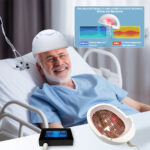

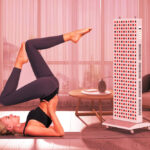
Pulse function is a advanced photobiomodulation (PBM) feature integrated in high-performance red light panels, designed to optimize therapeutic efficacy by delivering intermittent light output instead of continuous irradiation. Unlike constant red/NIR light, pulsed mode alternates between “on” and “off” cycles at adjustable frequencies, bringing unique advantages for deep tissue penetration, comfort, and targeted healing.
How Does Pulse Function Work?
At its core, the pulse function regulates the light emission rhythm of the panel’s LEDs, defined by two key parameters: frequency (measured in Hz, cycles per second) and duty cycle (the ratio of “on” time to total cycle time). For example, a 10Hz frequency with a 50% duty cycle means the light is on for 50ms and off for 50ms, repeating 10 times per second.
This intermittent pattern leverages the “peak power effect”: even with the same average power as continuous mode, pulsed light generates higher peak energy during the “on” phase. This peak energy enhances light penetration through skin, muscle, and connective tissue, reaching deep-seated areas (such as joints, fascia, and deep muscle layers) that continuous light may not target effectively.
Key Advantages of Pulse Mode
1. Deeper Tissue Penetration
The high peak power of pulsed red/NIR light minimizes scattering and absorption by superficial skin layers, allowing more energy to reach deep tissues. This makes it ideal for addressing conditions like deep muscle soreness, joint inflammation, and fascia adhesions—common concerns for athletes, fitness enthusiasts, and individuals with chronic pain.
2. Reduced Thermal Accumulation
Continuous light emission can cause gradual heat buildup in the skin, leading to discomfort or sensitivity, especially for those with delicate skin or when using high-power panels. The “off” cycles in pulse mode provide natural cooling intervals, significantly lowering thermal stress while maintaining therapeutic efficacy. This ensures a safer, more comfortable experience for prolonged sessions.
3. Targeted Biological Response
Different pulse frequencies can modulate cellular responses by aligning with the body’s natural biological rhythms. Low frequencies (1-100Hz) are often used to relieve muscle spasms and chronic pain, while higher frequencies (1000-5000Hz) may enhance circulation and accelerate post-injury recovery. This flexibility allows users to tailor treatments to their specific needs.
4. Optimized Energy Efficiency
By alternating between active and inactive phases, pulse mode reduces overall energy consumption compared to continuous mode, extending the lifespan of the panel’s LEDs. It also allows for precise control of light dosage—users can adjust frequency and duty cycle to deliver the exact energy required for their treatment goals, avoiding over-irradiation.
Pulse vs. Continuous Mode: Which to Choose?
The choice between pulse and continuous mode depends on your treatment objectives and body’s response. Here’s a quick guide:
- Pulse Mode: Best for deep tissue issues (joint pain, deep muscle soreness, post-workout recovery), sensitive skin, or prolonged sessions. Ideal for athletes, individuals with chronic inflammation, and those seeking targeted deep healing.
- Continuous Mode: Suitable for superficial concerns (skin rejuvenation, collagen boosting, surface-level muscle tension). Perfect for daily skincare routines, facial treatments, and general relaxation.
Recommended Usage Guidelines
To maximize the benefits of pulse mode while ensuring safety, follow these best practices:
- Start with Low Frequencies: For first-time use, begin with 10-50Hz to allow your body to adapt. Gradually increase frequency based on comfort and treatment needs.
- Control Session Duration: Pulse mode sessions typically last 10-20 minutes per area, 1-2 times daily. Avoid exceeding 30 minutes per session to prevent unnecessary tissue stimulation.
- Adjust Distance: Maintain a distance of 6-12 inches from the panel to ensure optimal light distribution and penetration. Adjust based on the panel’s power output (higher power may require greater distance).
- Combine Strategically: For comprehensive care, alternate between pulse and continuous modes—e.g., use pulse mode for deep muscle recovery and continuous mode for post-treatment skin rejuvenation.
Safety Considerations
Pulse mode is safe for most users when used as directed. However, individuals with the following conditions should consult a healthcare provider before use:
- Pacemakers or other implanted electronic devices
- Active skin infections, lesions, or severe inflammation
- Pregnancy or underlying medical conditions (e.g., autoimmune disorders)
Always wear the included eye protection when using pulse mode, as high peak energy may irritate the eyes if directly exposed.
Our red light panels with pulse function are engineered to deliver clinical-grade performance in the comfort of your home. By combining adjustable frequencies, precise dosage control, and safety features, this technology empowers you to customize your wellness routine and achieve targeted, effective results.