

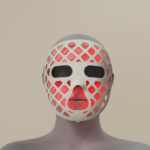
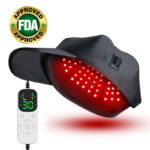
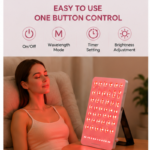

Red light therapy products are quickly moving from niche wellness tools into the mainstream. What was once mainly seen in clinics and professional settings is now increasingly available in at-home devices such as LED face masks, panels, helmets, and handheld tools. Dermatology and consumer-health sources also note growing public interest in these devices for concerns such as visible signs of aging, acne, and hair loss.
Why Is Red Light Therapy So Popular Right Now?
One major reason is convenience. Consumers are looking for non-invasive, easy-to-use beauty and wellness devices that fit into daily routines. At-home LED products are especially attractive because they can be used regularly at home without requiring clinic appointments. Mayo Clinic notes that some clinical studies suggest LED face masks may benefit the skin, although results vary and long-term studies are still limited.
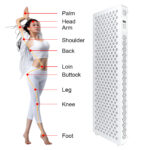
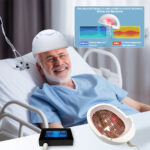
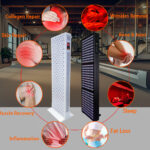
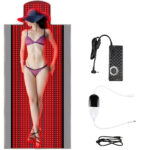
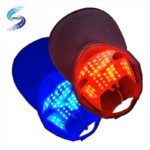
Another reason is that the market is expanding beyond basic skincare. Today’s red light therapy category includes not only face masks, but also large panels, wearable helmets, wands, and full-body devices, showing how the technology is being positioned for broader beauty and wellness routines.
What Are Consumers Looking For in Red Light Products?
Most buyers are no longer looking only for “red light.” They are paying more attention to product details such as:
- wavelength combinations
- device format
- treatment coverage
- comfort and ease of use
- home-use convenience
This is why many brands now highlight combinations such as 633nm red light + 830nm near-infrared light, and in some premium products, deeper near-infrared wavelengths such as 1072nm. Current Body, for example, markets 633nm, 830nm, and 1072nm together in its newer LED mask positioning.
Red Light Therapy Is No Longer Just About Beauty
While skincare remains one of the biggest applications, red light therapy is increasingly discussed as part of a broader home wellness category. Harvard Health describes red light therapy as photobiomodulation using red or near-infrared light aimed at the skin, and notes the growing number of at-home devices now available. This shift helps explain why product categories are expanding into masks, panels, helmets, and other wearable wellness formats.
Why Premium Devices Are Adding Near-Infrared Light
A clear market trend is the move from single-wavelength devices toward multi-wavelength systems. Red light is widely used for visible skin-level concerns, while near-infrared is commonly added for deeper support and to create a more advanced product story. This is one reason premium devices increasingly combine red light with near-infrared instead of relying on red light alone.
What This Means for Brands and Buyers
For brands, the red light market is no longer just about offering a basic LED device. Buyers now expect stronger product differentiation through:
- better wavelength positioning
- more comfortable wearable designs
- targeted use scenarios
- clearer wellness and anti-aging messaging
For distributors and private-label buyers, this means red light therapy products still have strong opportunity, but success depends more on product positioning, design, and user experience than on simply adding LEDs to a device. This is an inference based on the way major at-home brands are now marketing not only wavelengths, but also wearability, convenience, and category expansion.
Final Thoughts
Red light therapy products are becoming a major home wellness trend because they match what today’s consumers want: non-invasive care, easy at-home use, and multi-function beauty and wellness support. As the market grows, products are evolving from simple red light devices into more advanced systems that combine red light, near-infrared light, wearable design, and broader treatment concepts.
For companies in the beauty and wellness industry, this makes red light therapy more than a passing trend. It is becoming an important product category with growing consumer awareness and expanding application potential.