

Red light therapy panels have become increasingly popular in beauty, wellness, recovery, and home health routines. However, with so many options on the market, choosing the right panel can be confusing.
Not all red light therapy devices are the same. Factors such as wavelength, irradiance, panel size, pulse mode, and LED quality all affect the overall experience and performance.
Here are the key factors to consider when choosing a red light therapy panel.
1. Choose the Right Wavelengths
Wavelength is one of the most important specifications in red light therapy.
The most commonly used wavelengths include:
- 630nm / 660nm Red Light
Commonly used for skin-focused applications and surface-level treatment. - 810nm / 830nm / 850nm Near-Infrared Light
Often used for deeper support and full-body wellness applications.
Many advanced panels combine both red light and near-infrared light to provide a more versatile treatment experience.
2. Understand Irradiance
When comparing panels, many customers focus only on wattage. However, the more important measurement is:
Irradiance (mW/cm²)
Irradiance refers to the actual light energy reaching the treatment area.
Higher irradiance generally means stronger light intensity, but the optimal level depends on treatment distance and usage purpose.
A professional red light therapy panel should provide clear irradiance data at a specified testing distance.
3. Consider Treatment Distance
The distance between the panel and the body affects both intensity and coverage.
- Closer distance = higher intensity
- Farther distance = wider coverage
For most applications, a distance of 6–12 inches (15–30 cm) is commonly recommended for balancing comfort and effective light coverage.
4. Select the Right Panel Size
Panel size should match the intended treatment area.
Small Panels
Suitable for:
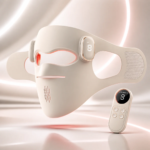
- face
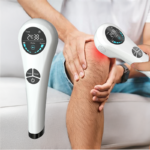
- joints
- targeted areas
Medium Panels
Suitable for:
- upper body
- back
- recovery use
Large Panels
Suitable for:
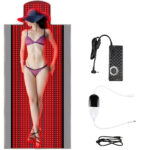
- full-body treatment
- wellness studios
- professional use
Larger panels provide wider coverage and more efficient treatment sessions.
5. Check LED Quality
LED quality affects:
- light stability
- wavelength consistency
- lifespan
- overall reliability
High-quality LED chips and stable drivers help ensure consistent performance during long-term use.
6. Pulsed Mode vs Continuous Mode
Many modern red light therapy panels offer both continuous and pulsed modes.
Continuous Mode
- constant light output
- stable visual experience
Pulsed Mode
- LEDs switch on and off rapidly
- pulse frequency can vary
- some low frequencies create visible flashing
Advanced panels often use high-frequency pulsing, which provides a smoother, flicker-free visual experience while maintaining pulsed functionality.
7. Low EMF and Low Flicker Design
More users are paying attention to:
- EMF levels
- flicker performance
- user comfort
Professional-grade panels are commonly designed with:
- low EMF output
- stable drivers
- low flicker or flicker-free performance
These features help improve overall comfort during regular use.
8. Look for Reliable Testing Data
A quality manufacturer should be able to provide:
- wavelength specifications
- irradiance testing
- product certifications
- safety information
Transparent technical data helps customers better understand the actual performance of the device.
9. Choose a Panel That Matches Your Needs
Different users have different goals.
Home Wellness
A medium-size panel with dual wavelengths may be ideal.
Recovery & Sports
Higher irradiance and larger coverage areas are often preferred.
Beauty & Skincare
Compact panels and facial devices are commonly used.
Choosing the right product depends on treatment area, usage frequency, and personal preference.
Final Thoughts
Choosing the right red light therapy panel is not simply about selecting the highest wattage or the largest device.
Understanding key factors such as:
- wavelength
- irradiance
- treatment distance
- pulse mode
- LED quality
- panel size
can help you make a more informed decision.
A professional red light therapy panel should provide a balance of performance, comfort, reliability, and practical usability for daily wellness and recovery routines.