


Complete OEM Guide for Wellness Brands & Distributors
Introduction
Red light therapy devices such as LED face masks, red light panels, and wearable recovery systems are widely used in beauty and wellness markets.
However, most buyers only see the finished product — not the system behind it.
In reality, the red light therapy industry is built on a complete multi-layer supply chain system that directly determines product performance, OEM capability, and brand scalability.
Understanding this structure is essential for wellness brands, distributors, and importers who want to build long-term competitiveness in this market.
The 5 Layers of the Red Light Therapy Supply Chain
The red light therapy industry consists of five interconnected layers:
1. Component Level (Technology Foundation)
This is the core foundation of all red light therapy devices.
Key components include:
- LED chips (660nm, 850nm, multi-wavelength systems)
- Driver circuits and control systems
- Optical lens design
- PCB and heat management materials
👉 At this level, wavelength accuracy and energy stability are defined.
2. Manufacturing Level (OEM Production Factories)
At this stage, components are assembled into finished products.
Typical devices include:
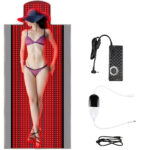
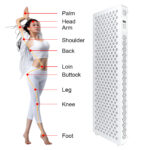
- Red light therapy panels
- LED face masks
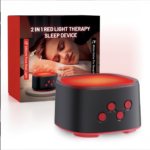
- Wearable recovery devices
- Full-body wellness systems
Manufacturers are responsible for:
- Mass production
- Assembly processes
- Basic quality control
- Structural implementation
👉 However, not all factories have engineering capability.
3. OEM / ODM Integration Level (Customization System)
This is the most important layer for global brands.
Capabilities include:
- Wavelength customization (660nm / 850nm / multi-wave)
- Power density optimization
- Product structure redesign
- Private label branding
- Functional upgrades (pulse modes, timers, control systems)
👉 This is where products become “brand-ready solutions”.
4. Brand Development Level
At this stage, products become commercial brand assets.
Brand owners focus on:
- Market positioning (beauty / recovery / biohacking / wellness)
- Packaging and branding identity
- Pricing strategy
- Channel development (Amazon / DTC / distributors)
👉 Same product, different brand execution = completely different market value.
5. Distribution & Application Level
This is the final stage where products enter the market.
Main users include:
- Wellness clinics
- SPA and beauty centers
- Fitness and recovery studios
- E-commerce brands and distributors
👉 This layer reflects real market demand.
Why Many Buyers Fail in the Red Light Therapy Market?
Most sourcing failures are not caused by product appearance or price.
Instead, they come from supply chain weaknesses:
- Inconsistent wavelength output
- Unstable LED performance between batches
- Limited OEM customization capability
- Weak quality control systems
- Lack of scalability for brand expansion
👉 In this industry, product similarity is high. System stability is the real differentiator.
What Successful Wellness Brands Focus On?
Top-performing wellness brands evaluate suppliers based on:
- Wavelength accuracy and consistency
- OEM/ODM engineering capability
- Mass production stability
- Certification and compliance support (CE / FCC / RoHS)
- Ability to scale product lines globally
👉 They are not buying products — they are selecting manufacturing systems.
The Real Competitive Advantage in This Industry
Today, the red light therapy market is no longer defined by hardware competition alone.
The real competitive advantage is:
Supply Chain Capability × OEM Engineering System × Brand Scalability
Manufacturers who master this system become long-term strategic partners for global wellness brands.
Why Choose a System-Based OEM Partner?
Working with a system-level manufacturer allows brands to:
- Launch products faster
- Reduce product failure risk
- Ensure batch consistency
- Expand product lines efficiently
- Improve long-term brand positioning
👉 This is critical for brands entering the red light therapy market.
Conclusion
The red light therapy industry is not just about devices — it is a structured global supply chain ecosystem.
From components to OEM manufacturing, from brand building to market distribution, every layer affects product success.
For wellness brands, distributors, and importers, understanding this structure is the first step toward building a scalable product business.
Because in this industry:
👉 Strong brands are not built on products alone.
👉 They are built on systems.
FAQ
What is the red light therapy supply chain?
It is a multi-layer system including components, OEM manufacturing, ODM customization, brand development, and distribution channels.
What is OEM in red light therapy devices?
OEM refers to manufacturers producing customized red light therapy devices for brands, including private label, design, and functional adjustments.
Why is OEM capability important?
Because it determines product consistency, customization flexibility, and the ability for wellness brands to scale globally.
What products are included in red light therapy manufacturing?
Common products include LED face masks, red light therapy panels, wearable recovery devices, mats, and sauna systems.
Who are the main buyers of red light therapy devices?
Wellness brands, distributors, SPA centers, clinics, fitness studios, and e-commerce sellers.