

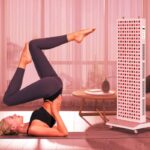
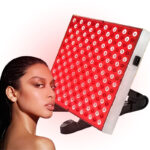
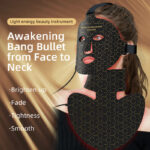
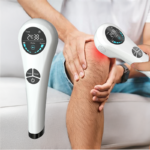
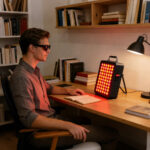
Pulsed mode has become one of the most advanced features in modern red light therapy panels. By rapidly switching LEDs on and off at specific frequencies, pulsed mode allows users to experience different treatment styles depending on their wellness goals.
Different pulse frequencies are commonly associated with different applications, including skincare, relaxation, recovery, and daily wellness routines.
Understanding how pulse frequency works can help users choose more suitable settings for a comfortable and effective experience.
What Is Pulsed Mode?
Pulsed mode refers to the operation method where LEDs emit light in rapid on-off cycles instead of continuous output.
The pulse speed is measured in:
Hertz (Hz)
For example:
- 10Hz = 10 pulses per second
- 40Hz = 40 pulses per second
- 146Hz = 146 pulses per second
Depending on the frequency, the pulsing may appear visible or invisible to the human eye.
Low Frequency vs High Frequency Pulsing
Low Frequency Pulsing
Typically:
- 10Hz – 73Hz
- Visible or slightly noticeable pulsing
- Softer and more relaxing experience
Often used for:
- beginner adaptation
- relaxation
- evening wellness routines
Medium to High Frequency Pulsing
Typically:
- 146Hz – 587Hz
- Faster pulsing
- Usually no visible flicker
Often used for:
- deep tissue applications
- muscle recovery
- professional wellness use
Professional Pulse Mode Usage Rules
Correct frequency selection and proper usage methods help optimize the overall treatment experience.
1. New User Adaptation
For first-time users:
Recommended Frequency
10Hz – 73Hz
Suggested Usage
- 10–20 minutes per session
- 1–2 sessions daily
Lower frequencies provide a gentler introduction to pulsed light therapy and help users gradually adapt to regular use.
2. Skincare & Beauty Applications
Recommended Frequency
≤146Hz
Lower and moderate frequencies are commonly preferred for:
- facial care
- skin wellness
- daily beauty routines
These settings provide a smooth and comfortable experience for regular skincare applications.
3. Pain Relief & Recovery Applications
Recommended Frequency
146Hz – 587Hz
Higher pulse frequencies are often selected for:
- muscle recovery
- sports wellness
- targeted body support
- deep tissue applications
Professional-grade red light therapy panels commonly include adjustable pulse frequency to support different recovery needs.
4. Sleep & Relaxation Support
Recommended Frequency
10Hz – 40Hz
Low-frequency pulsing is commonly used before bedtime for:
- relaxation routines
- calming wellness sessions
- comfortable evening use
Many users prefer lower frequencies for a softer visual and wellness experience.
High-Frequency Pulsing & Invisible Flicker
Many advanced red light therapy panels use high-frequency pulsing technology.
At higher frequencies:
- LEDs switch on and off extremely quickly
- visible flicker becomes minimal or invisible
- the light appears stable and continuous
This creates:
- smoother visual comfort
- more refined operation
- improved daily usability
No visible flicker does not mean the panel is not pulsing. It simply means the pulse frequency is beyond the visible flicker range.
Safety & Usage Recommendations
For comfortable daily use, professional guidelines generally recommend:
- Do not treat a single area continuously for more than 25 minutes
- Keep eyes closed during treatment
- Avoid direct long-term eye exposure
- Follow recommended treatment distance guidelines
- Begin with lower frequencies before increasing intensity
Consistent and moderate use is typically preferred over excessive session duration.
Why Adjustable Pulse Frequency Matters
Modern red light therapy panels with adjustable pulse mode provide greater flexibility for different applications.
Users can choose:
- lower frequencies for relaxation
- medium frequencies for skincare
- higher frequencies for recovery and performance-focused use
This flexibility makes pulsed mode one of the most valuable features in advanced light therapy systems.
Final Thoughts
Pulsed mode technology continues to play an important role in modern red light therapy panels.
Different frequencies are commonly associated with different wellness experiences, from relaxation and skincare to recovery-focused applications.
By combining:
- adjustable pulse frequency
- high-frequency operation
- low flicker design
- stable LED output
professional red light therapy panels can provide a more comfortable, versatile, and advanced wellness experience for home and professional use.