
Introduction
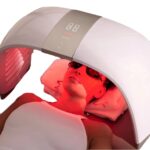
The global demand for LED light therapy masks has grown rapidly as consumers and beauty brands look for non-invasive skincare solutions based on photobiomodulation (PBM) technology.
However, not all LED masks deliver the same performance.
Many products compete by highlighting the number of LEDs, but the real effectiveness of an LED light therapy mask depends on a combination of technical factors, including wavelength accuracy, optical output, LED quality, product design, and user experience.
For beauty brands, distributors, and wellness companies developing their own products, understanding these factors is essential when selecting a reliable LED mask OEM/ODM manufacturing partner.
1. Wavelength Accuracy: The Foundation of LED Light Therapy
The wavelength determines how LED light interacts with the skin.
Different wavelengths provide different application directions:
| Wavelength | Light Type | Common Application |
|---|---|---|
| 415nm | Blue Light | Skin clarity and oil control applications |
| 590nm | Amber/Yellow Light | Skin tone and soothing applications |
| 630nm | Red Light | Surface skin care applications |
| 660nm | Deep Red Light | Deeper skin support |
| 810nm | Near Infrared | Deep tissue applications |
| 830nm | Near Infrared | Recovery and wellness applications |
| 850nm | Near Infrared | Deep photobiomodulation applications |
Currently, many premium LED masks use combinations such as:
- 630nm + 850nm
- 660nm + 850nm
- 630nm + 660nm + 850nm
because combining red light and near-infrared light provides broader application possibilities.
2. Irradiance: The Amount of Light Energy Delivered
One of the most important technical specifications of an LED mask is irradiance, measured in:
mW/cm² (milliwatts per square centimeter)
Irradiance determines how much optical energy reaches the skin during use.
A higher LED quantity does not automatically mean better performance.
For example:
- A mask with 300 low-power LEDs may deliver less energy than
- A mask with 216 high-output LEDs with optimized optical design.
Typical market ranges:
| Product Level | Irradiance |
|---|---|
| Entry-level LED masks | 5-10mW/cm² |
| Mid-range products | 15-30mW/cm² |
| Professional-grade products | 30-60mW/cm² |
A professional LED mask requires a balance between:
- LED power
- wavelength stability
- heat management
- comfortable usage time
3. LED Chip Quality: Long-Term Performance Matters
The quality of LED chips directly affects:
- wavelength stability
- brightness consistency
- product lifespan
- light decay performance
Low-cost LED devices often use:
- lower-grade chips
- unstable wiring materials
- inconsistent optical output
Over time, these issues may cause:
- reduced brightness
- wavelength deviation
- inconsistent user experience
Professional LED masks usually use:
- high-quality LED chips
- stable circuit design
- reliable driving systems
For brands, long-term product consistency is more important than simply increasing LED numbers.
4. LED Layout and Light Coverage
An effective LED mask requires more than a high LED count.
The key is:
Uniform light distribution across the entire facial area.
A well-designed LED layout should provide balanced coverage for:
- forehead
- cheeks
- chin area
- facial contour areas
Poor LED placement may create:
- uneven brightness
- insufficient coverage
- inconsistent treatment experience
5. Distance Between LED and Skin
Light intensity decreases as distance increases.
One advantage of wearable LED masks is that LEDs are positioned close to the skin, reducing optical energy loss.
However, product structure matters.
A poorly designed rigid mask may create:
- uneven distance between LEDs and skin
- light leakage
- uncomfortable pressure points
Flexible silicone masks improve:
- facial fitting
- light delivery efficiency
- wearing comfort
6. Mask Material and Wearing Comfort
User experience directly affects whether customers continue using the product.
Traditional hard-shell LED masks often have limitations:
- heavier weight
- uncomfortable facial pressure
- poor fitting for different face shapes
Modern premium LED masks increasingly use:
Medical-grade liquid silicone
Advantages:
✓ Lightweight
✓ Flexible fitting
✓ Skin-friendly material
✓ Better wearing comfort
✓ Suitable for daily home use
For consumer beauty devices, comfort is a key factor influencing repeat purchases.
7. Eye Protection Design
Eye comfort is one of the most common concerns in LED mask reviews.
Common complaints include:
- uncomfortable eye area
- loose eye pads
- difficult installation
- missing accessories
Better designs include:
- integrated eye protection
- fixed eye covers
- improved light blocking structure
A user-friendly eye protection design improves both safety perception and product satisfaction.
8. Circuit Design and Thermal Management
Although LED masks are compact devices, electronic design plays an important role.
A professional LED mask requires:
Stable LED Driving System
Ensures:
- consistent brightness
- stable wavelength output
- longer LED lifespan
Heat Management
Proper thermal design prevents:
- excessive heat generation
- battery degradation
- discomfort during use
9. Smart Functions and User Experience
Modern LED masks are evolving from simple light devices into smart beauty products.
Popular functions include:
Timer Control
Common settings:
- 10 minutes
- 15 minutes
- 20 minutes
Multiple Light Modes
Examples:
- Red Light Mode
- Blue Light Mode
- Multi-color PDT Mode
Wireless Control
Premium products may include:
- rechargeable battery
- remote controller
- mobile app control
These features improve daily convenience.
10. Manufacturing Quality and Product Reliability
For brands launching LED beauty products, manufacturing capability is a critical factor.
A reliable LED mask supplier should provide:
✓ Stable LED sourcing
✓ Customized wavelength options
✓ Flexible silicone manufacturing
✓ Quality control process
✓ OEM/ODM development support
✓ Compliance documentation
The success of an LED beauty device depends not only on product specifications but also on consistent manufacturing quality.
How to Choose the Right LED Light Therapy Mask Supplier?
When evaluating an LED mask manufacturer, brands should consider:
Technical Capability
- Can they customize wavelengths?
- Can they adjust LED quantity?
- Can they optimize irradiance?
Product Development Capability
- Industrial design support
- Prototype development
- Firmware customization
Quality Control
- LED testing
- Optical testing
- Aging testing
- Safety certification
Choosing the right OEM/ODM partner helps brands create products that stand out in the competitive beauty device market.
Conclusion
The effectiveness of an LED light therapy mask is determined by much more than LED quantity.
The most important factors include:
- Wavelength accuracy
- Irradiance output
- LED chip quality
- Light coverage
- Skin-to-light distance
- Silicone material and comfort
- Eye protection design
- Circuit stability
- Smart functions
- Manufacturing reliability
For companies developing professional LED beauty devices, focusing on engineering quality and user experience is the key to building a successful product.
FAQ
Are more LEDs better for LED light therapy masks?
Not necessarily. LED quantity is only one factor. The wavelength, irradiance, LED quality, and light distribution are equally important.
What is the best wavelength combination for an LED face mask?
Many professional LED masks use red light combined with near-infrared light, such as 630nm/660nm + 850nm, for broader applications.
What irradiance should a good LED mask have?
Professional-grade LED masks typically focus on stable irradiance output rather than only increasing LED numbers. Many premium products are designed around 30mW/cm² or higher.
Why are flexible silicone LED masks becoming more popular?
Flexible silicone masks provide better facial fitting, improved comfort, lightweight design, and better user experience for daily home use.
Can brands customize LED light therapy masks?
Yes. Professional OEM/ODM manufacturers can customize:
- LED quantity
- wavelength combinations
- silicone color
- logo
- packaging
- controller design
- battery capacity