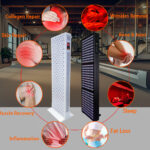

Executive Summary: For beauty brand owners, wholesalers, and clinical distributors, sourcing the right LED beauty mask is a balance of scientific efficacy, regulatory compliance, and manufacturing precision. This comprehensive guide analyzes the core technology of Photobiomodulation (PBM) , key technical parameters (wavelengths, irradiance) , and safety standards to help you make informed B2B procurement decisions.
1. The Core Science: What is Photobiomodulation (PBM)?
An effective LED mask does not rely on heat to deliver results. Instead, it utilizes Photobiomodulation (PBM), a non-thermal process where light energy interacts with skin cells at a biomolecular level.
Cellular Energy Conversion: When specific wavelengths penetrate the skin, they are absorbed by the mitochondria, stimulating the production of Adenosine Triphosphate (ATP).
Biomolecular Cascade: This cellular boost triggers several key regenerative pathways:
Fibroblast Activation: Stimulates the synthesis of collagen and elastin, reducing fine lines and wrinkles.
Microcirculation Enhancement: Increases blood flow, delivering vital oxygen and nutrients to accelerate skin healing.
Inflammation Reduction: Mitigates redness and exerts antibacterial effects against P. acnes.
For B2B buyers, understanding these biological mechanisms is crucial for crafting marketing claims and educating retail clients.
2. Key Wavelengths: Matching Product Portfolios with Consumer Needs
When developing a private label product line, selecting the correct wavelength spectrum determines your product’s efficacy and market positioning:
| Light Spectrum | Wavelength Range | Clinical Indications | Target Consumer Segment |
| Red Light | ~630-660nm | Targets the dermis to stimulate collagen, improve elasticity, and even skin tone. | Anti-aging & daily skin rejuvenation. |
| Near-Infrared (NIR) | ~830-850nm | Penetrates deeper into subcutaneous tissues; accelerates wound healing and reduces deep inflammation. | Advanced skin repair & post-procedure recovery. |
| Blue Light | ~415-465nm | Destroys acne-causing bacteria via coproporphyrin III reaction. | Acne-prone skin & oily skin types. |
| Deep NIR | ~1072nm | Penetrates to the deepest dermal layers for comprehensive cellular repair (e.g., utilized in CurrentBody Series 2). | Premium, high-end anti-aging market. |
3. B2B Sourcing Metrics: Avoiding High-Risk OEM/ODM Pitfalls
To protect your brand from product recalls, liability issues, and negative reviews, prioritize these engineering specifications during your factory audits:
A. Irradiance and Optical Fluence
The Sweet Spot: The ideal irradiance for home-use LED masks is between 30-50 mW/cm². This range guarantees optimal cellular stimulation without risking thermal damage.
The Risk of Over-Powering: Beware of manufacturers claiming excessively high power outputs. Irradiance exceeding 50 mW/cm² can cause thermal buildup, generating excess reactive oxygen species (ROS) and potentially worsening hyperpigmentation conditions like Melasma.
B. LED Density and Optical Refraction
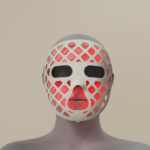
Energy Distribution: A higher density of LEDs ensures uniform coverage across the face. For instance, SWIDA advanced models utilize 312 high-power LEDs paired with 360° mirror reflection technology to minimize light loss and maximize absorption.
Anatomical Mapping: Premium OEM designs feature optimized optical layouts that concentrate LEDs on high-risk aging zones, such as the periorbital (eye), perioral (lip), and jawline regions.
C. Regulatory Compliance and Safety Certifications
FDA Clearance (FDA Cleared): This is a critical barrier to entry for the North American market. It ensures the device’s safety and efficacy claims are verified by regulatory bodies.
Retinal Safety: Because blue light can cause retinal damage, any compliant LED mask must integrate physical silicone eye shields or protective goggles into its design.
4. Usage Guidelines and Client Education
As a brand or distributor, providing clear, scientifically-backed usage protocols builds long-term customer loyalty:
Preparation: Advise users to apply the device to clean, dry skin. Thick creams or products containing light-sensitive ingredients (like retinoids or Vitamin C) should be avoided before treatment to prevent light obstruction or skin irritation.
Consistency: Remind clients that LED therapy is a cumulative treatment. Recommend 3-5 sessions per week, lasting 10 minutes per session.
Expected Timeline:
Weeks 2-4: Reduced skin inflammation and improved radiance.
Weeks 8-12: Noticeable reduction in fine lines and peak collagen synthesis.
5. Risk Management: Contraindications for Brands to Note
To minimize liability, your product packaging and manuals should clearly list contraindications:
Photosensitivity: Users taking photosensitizing medications (e.g., doxycycline, isotretinoin, topical tretinoin) or those with lupus should avoid LED therapy as it may cause sunburn-like reactions.
Pigmentation Risks: Clinical data suggests blue light can exacerbate melasma and hyperpigmentation in darker skin types. Consider offering customizable modes where blue light can be disabled.
Special Demographics: Pregnant or lactating individuals, as well as those with a history of epilepsy, should consult a physician prior to use.
Conclusion
Developing a successful LED beauty mask line requires finding the perfect balance between clinical efficacy, safety parameters, and ergonomic design. Partnering with established manufacturers who offer transparent third-party robust compliance certificates is the most reliable strategy for brands looking to dominate the professional beauty tech market.
Disclaimer: This article is intended for B2B informational purposes and does not substitute for professional medical or legal regulatory advice.
7-Color Silicone LED Face Mask | 312 LEDs Infrared Therapy OEM