


Introduction
In the global LED light therapy market, many products may look similar from the outside. However, when it comes to performance, stability, and long-term results, the internal engineering structure determines everything.
For B2B buyers, distributors, and private label brands, understanding these differences is critical before selecting an OEM/ODM manufacturing partner.
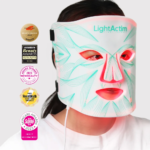
This article explains the key technical differences between high-end LED face masks and low-cost alternatives.
1. PCB Structure: Stability Starts from the Core
Low-cost LED masks typically use a thin single-layer copper PCB structure (around 12oz class).
Main limitations:
- Weak mechanical strength under repeated bending
- Poor structural stability during long-term use
- Inconsistent LED alignment and light distribution
- Limited heat dissipation capability
Over time, this leads to unstable product performance and reduced durability.
In contrast, high-end LED masks adopt reinforced multi-layer PCB architecture, ensuring:
- Stable structural integrity
- Better thermal management
- Consistent light output across the entire device lifecycle
2. LED Chip Quality: Irradiance Makes the Difference
Many low-cost devices use small, low-power LED chips with limited radiant output.
Key issues:
- Low irradiance intensity at skin level
- Insufficient energy penetration for phototherapy effects
- Limited functional differentiation from decorative lighting products
These devices often focus on illumination rather than effective photobiomodulation performance.
High-end LED masks, however, are built with high-quality LED arrays designed for:
- Stable irradiance output
- Effective wavelength delivery (red, near-infrared, etc.)
- Consistent energy performance for professional use
3. Bonding Wire Technology: Long-Term Stability Matters
Another critical difference lies in LED chip bonding technology.
Low-cost products usually adopt:
- Silver wire bonding
- Or even copper wire bonding
Problems include:
- Unstable current transmission
- Faster energy degradation over time
- Inconsistent brightness across production batches
High-end LED masks use gold-wire bonding technology, which provides:
- More stable electrical conductivity
- Lower energy loss during operation
- Improved long-term reliability
- More consistent irradiance output
4. Why These Differences Matter for Brands
For OEM/ODM buyers and private label brands, these technical differences directly impact:
- Product lifespan
- Customer satisfaction
- Return rate and after-sales cost
- Brand reputation in global markets
A low-cost structural compromise may reduce initial cost, but it significantly increases long-term business risk.
5. Conclusion
The difference between high-end and low-cost LED face masks is not just pricing—it is a complete gap in:
- Material engineering
- Electrical architecture
- Optical performance stability
For brands entering the red light therapy industry, choosing the right manufacturing standard is essential for building a sustainable product line.
OEM/ODM Cooperation
We specialize in the design and manufacturing of professional LED light therapy devices for global wellness and beauty brands.
Our capabilities include:
- Custom wavelengths (660nm / 850nm / multi-spectrum systems)
- High-irradiance LED engineering
- OEM/ODM private label development
- Stable mass production for global markets